Many professionals reach a point in their careers where they wonder, “Can I be coaching myself to improve my leadership and personal growth?” The good news is, yes — you can! Developing self-coaching skills allows individuals to enhance their decision-making, boost confidence, and stay accountable to their goals without relying on external support every step of the way.
Across industries, thousands of successful global executives use self-coaching methods to navigate challenges in both their professional and personal lives. By applying structured techniques and a well-defined action plan, you can build resilience, refine leadership skills, and create sustainable habits for continuous improvement.
But while self-coaching is a valuable tool, it’s important to understand its strengths and limitations. A structured professional coaching process and effective coaching techniques can accelerate growth — but at a certain point, working with a professional executive coach becomes a game-changer.

In this article, we’ll explore powerful self-coaching tools, when and how to apply them, and why combining self-coaching with professional coaching can yield the best results.
What Is Self-Coaching?
At its core, self-coaching is the ability to guide yourself through personal and professional challenges using structured reflection, critical thinking, and intentional action. Developing a coaching habit allows you to manage difficult emotions, make better decisions, and stay on track toward your goals — without needing external input every step of the way.
Many professionals turn to self-coaching during periods of transition, whether it’s stepping into a new leadership role, navigating workplace challenges, or reassessing career aspirations and goals. The self-coaching journey is about gaining clarity, shifting negative emotions into positive action, and maintaining continuous personal development even in the absence of a formal coach.
Unlike occasional reflection, self-coaching is most effective when practiced on a daily basis. It involves recognizing powerful emotions or a current challenge, asking powerful questions, and applying proven techniques to find solutions and move forward with confidence. While it doesn’t replace professional coaching, it provides a strong foundation for independent growth and resilience.
In the next section, we’ll explore key self-coaching tools that can help you develop this habit and apply it effectively in your career and personal life.
Powerful Self-Coaching Tools & Exercises
Self-coaching is not about waiting for inspiration to strike — it’s about actively using coaching techniques to navigate challenges, build confidence, and drive continuous growth. Whether you’re working through a current challenge or striving for long-term personal development, having the right tools can make all the difference.
Below are powerful self-coaching tools and exercises that thousands of professionals use to strengthen their coaching habit, overcome difficult emotions, and take positive action in both their personal and professional lives.
1. Reflection And Self-Assessment Practices
- Success Journal or Success Board: Tracking your progress is essential for building confidence and momentum. If you enjoy writing, keep a success journal where you document three key wins each day or week, along with insights on what contributed to them. If you’re more visual, create a Success Board — a physical or digital board where you pin achievements, milestones, and positive feedback. Both methods reinforce progress over perfection, helping you stay motivated and focused on growth.
- Self-Coaching Questions: The right questions can unlock new perspectives, insights, and solutions. Develop a habit of asking yourself powerful questions like: What is my biggest challenge right now? What assumptions might be holding me back? What can I do differently next time? Setting aside 5-10 minutes daily or weekly for reflection sharpens critical thinking and decision-making. For a deeper dive into crafting powerful self-coaching questions, check out my blog post on powerful questions for greater critical thinking.
- Monthly SWOT Analysis: Self-awareness is a leadership superpower. Once a month, conduct a personal SWOT analysis — identify your Strengths, Weaknesses, Opportunities, and Threats. This exercise helps you assess where you excel, what needs improvement, and how external factors might impact your goals. By reviewing your SWOT regularly, you develop a proactive mindset, making it easier to seize opportunities, mitigate risks, and fine-tune your personal and professional development strategies.

2. Structured Learning And Growth Strategies
- Personal Learning Plan: Identify key skills to develop and create an action plan that includes books, courses, and peer learning opportunities. Maintain a “Learning Backlog” — a centralized space where you store articles, books, and courses you want to explore. Treat it like a personal development roadmap, adding new resources as you discover them and ticking off completed items to track progress. This simple habit keeps your growth intentional and prevents valuable learning opportunities from getting lost in the shuffle.
- Join a Mastermind Group: Connect with like-minded professionals to exchange ideas, challenges, and strategies for growth. With thousands of mastermind groups available, choose one that aligns with your specific challenges or career goals. Look for groups where members are committed to sharing insights, holding each other accountable, and providing diverse perspectives that push you to grow. The right mastermind can be a game-changer, offering both support and challenge to help you achieve your next level of success.
- Self-Directed Learning Sprints: Set a SMART goal to focus on one skill at a time, using structured time blocks for deep learning. Leverage your Personal Learning Plan to decide which skill or resource from your Learning Backlog to tackle during each sprint. This approach enhances efficiency, keeps you focused, and creates momentum through quick wins and measurable progress. By breaking learning into intentional, time-bound sprints, you turn personal development into a structured and rewarding habit.

3. Accountability And Peer Mentorship
- Find an Accountability Partner: Choose a trusted colleague, peer, or mentor who shares similar growth ambitions. Set up regular check-ins to review progress, challenges, and next steps. Having someone to hold you accountable increases follow-through and keeps you motivated. Structure these meetings by setting clear goals, discussing roadblocks, and celebrating wins. A strong accountability partnership transforms personal development from wishful thinking into consistent action.
- Reverse Mentoring: Learning isn’t a one-way street. Engage with younger professionals or those in different industries to gain fresh perspectives while sharing your own expertise. This creates a mutually beneficial exchange, helping you stay updated on emerging trends, leadership and decision-maker styles, and innovative thinking. Set regular discussions on relevant topics, industry shifts, or personal challenges. Reverse mentoring fosters continuous learning, adaptability, and a broader worldview — all key to staying ahead in leadership.
- Engage in Peer Coaching: Partner with a colleague or peer who understands your role and challenges. In structured sessions, discuss obstacles, brainstorm solutions, and share insights from personal experiences. Rotate roles between “coach” and “coachee” to develop both leadership and listening skills. Set actionable takeaways after each session to ensure growth. Peer coaching creates a support system that keeps you engaged, sharpens critical thinking, and accelerates professional development.
4. Building Confidence And Influence
- Practice Thought Leadership: Share your expertise by writing LinkedIn posts, contributing to industry discussions, or presenting at company meetings. Thought leadership helps establish credibility and reinforces your learning. Start small — post about a recent insight or lesson learned. Over time, as you build confidence, engage with your network, share deeper reflections, and contribute to conversations that position you as an authority in your field. Visibility fuels confidence and opens doors.
- Speak at Events: Public speaking is a powerful skill that builds confidence and expands your influence. Start with internal presentations or team discussions, then progress to external panels, webinars, or conferences. Preparation is key — outline key messages, anticipate questions, and practice delivery. Speaking at events solidifies expertise, enhances credibility, and improves communication skills. As you become comfortable, you’ll notice how sharing insights publicly strengthens self-assurance, leadership, and executive presence.
- Intentional Networking: Networking should be purpose-driven, not just casual interactions. Set clear networking goals — whether it’s deepening relationships, exploring collaborations, or learning from industry leaders. Approach networking with curiosity: Ask insightful questions, offer value, and follow up. Keep a list of key contacts and touch base regularly. Strong networks increase opportunities, provide support, and build long-term professional credibility, helping you navigate career transitions with confidence.
5. Daily Mindset And Habit-Building
- Morning or Weekly Reflection Ritual: Set aside 5-10 minutes daily or 30 minutes weekly to review your goals, wins, and lessons learned. Ask yourself: What went well? What challenges did I face? What can I improve? Writing reflections strengthens self-awareness and keeps you aligned with long-term goals. Over time, this habit cultivates clarity, confidence, and a proactive mindset that keeps you focused, no matter how demanding your schedule gets.
- Mindset Triggers: Use mental cues to reinforce positive thinking and confidence. This could be a mantra, an affirmation, or a visual reminder on your desk. Mindset triggers help shift negative emotions into positive action, rewiring your brain for resilience and focus. Identify key moments when you tend to doubt yourself or feel overwhelmed, and create a trigger to recenter your mindset in those moments. Small mental shifts can create big transformations.
- Visualization and Mental Rehearsal: High achievers mentally rehearse success before it happens because they understand the anatomy of success. Take a few minutes each day to visualize upcoming challenges, picture yourself handling them confidently, and imagine positive outcomes. This technique reduces anxiety, improves performance, and strengthens self-belief. Athletes use it to train their minds for success — leaders can do the same. By visualizing success repeatedly, you prepare your brain to make it a reality.
6. Scenario Planning And Decision Readiness
- Pre-Mortem Thinking: Before making a big decision, pause and anticipate obstacles. Ask yourself: What could go wrong? What are the risks? How can I mitigate them? This technique, used by top executives, helps prevent blind spots and reduces decision fatigue. List potential failures, then strategize solutions in advance. Pre-mortem thinking enhances preparedness, confidence, and resilience, ensuring that when challenges arise, you already have a plan in place.
- Decision Templates: Create a structured decision-making framework to assess choices objectively. Use techniques like the Eisenhower Matrix (urgent vs. important) or the Pros & Cons method. Identify key decision criteria, evaluate options, and eliminate biases from the process. Having a repeatable structure for complex decisions reduces stress, speeds up problem-solving, and leads to better long-term results. The best leaders make decisive, informed choices — and you can too.
- Post-Mortem Review: After a big decision or project, schedule a structured review session to analyze what worked, what didn’t, and what lessons you can apply next time. Ask: Did I make the best possible decision? What unexpected challenges arose? How can I improve next time? Document key insights to build a personal decision-making playbook over time. Continuous reflection strengthens your ability to adapt, refine strategies, and grow as a leader.
7. Long-Term Career And Leadership Planning
- Set Quarterly Growth Goals: Break personal and professional growth into 90-day sprints with specific, measurable goals. Focus on one key skill or leadership trait at a time. At the end of each quarter, review progress, adjust goals, and set new challenges. This approach keeps growth structured, manageable, and motivating. Small wins compound over time, leading to big career breakthroughs without feeling overwhelmed by long-term goals.
- Map Out Career Milestones: Take control of your career trajectory by defining key milestones — whether it’s a promotion, industry recognition, or a major skill upgrade. Identify the steps, people, and resources that will help you reach each milestone. Treat your career planning like a strategic project, adjusting plans as needed while staying focused on the bigger picture. A proactive approach prevents stagnation and ensures you’re always moving forward.
- Develop an Experimentation Mindset: Success isn’t about getting everything right — it’s about learning from experiments. Try new leadership approaches, decision-making techniques, or communication styles in low-risk environments. Reflect on outcomes, refine your approach, and keep iterating. Treating leadership as an experiment builds adaptability, creativity, and resilience. The best leaders aren’t afraid to test, fail, learn, and try again — because that’s how real growth happens.

With the right self-coaching tools and strategies, you can take ownership of your growth, decision-making, and leadership development. However, even the best self-coaching methods have limitations. In the next section, we’ll explore why working with a real human coach can accelerate progress, provide deeper transformation, and help you navigate challenges with greater clarity and confidence.
The Limitations Of Coaching Myself: Why A Real Coach Accelerates Growth
Self-coaching is a powerful tool for self-improvement, but it comes with challenges that many professionals struggle to overcome on their own. While you might set goals, practice reflection, and work on personal development, staying consistent, structured, and objective without external guidance is difficult.
Many individuals find that, despite their best intentions, they:
✅ Struggle with pre- and post-mortem reviews – Without an outside perspective, it’s easy to overlook blind spots or focus too much on what went wrong rather than extracting meaningful lessons.
✅ Have difficulty creating personalized decision-making templates – Many rely on intuition rather than a structured framework, leading to inconsistent and sometimes flawed decisions.
✅ Engage in negative mental rehearsals – Instead of visualizing success, they fixate on worst-case scenarios, reinforcing self-doubt rather than confidence.
✅ Fail to gain true clarity – Without someone to challenge their assumptions, they remain stuck in their own perspectives, struggling to see opportunities or solutions clearly.
✅ Rarely take time to reflect and celebrate wins – Self-coaching often focuses on improvement but neglects recognizing progress, which is critical for motivation and momentum.
✅ Avoid an experimentation mindset – Left to their own devices, people tend to stick to what’s familiar, never pushing themselves to test new approaches or stretch beyond their comfort zone.
✅ Set quarterly goals but forget to track or review them – Many start strong but lose momentum, forgetting about their goals by the second quarter.
✅ Slack off on learning and development – Without accountability, continuous learning tends to take a backseat to urgent work demands.
This is where having a real human coach makes all the difference. A professional coach provides structured weekly sessions that offer both support and challenge — exactly when needed. Coaching ensures that reflection happens, decision-making is refined, mental rehearsals are constructive, and learning remains a priority.
Many of my clients have told me that they tried for years to build these habits alone, but only through coaching did they finally achieve consistency and real transformation. The power of a coach isn’t just in teaching techniques — it’s in creating accountability, fostering discipline, and building lasting habits that eventually become second nature.
Once you’ve had a coach show you how to integrate these practices into your life, maintaining them on your own becomes significantly easier. Coaching isn’t about dependence — it’s about acceleration. With the right guidance, you develop the skills, clarity, and confidence to keep growing long after the coaching engagement ends.

[Case Study]: How One Executive Used Self-Coaching & Professional Coaching For Success
After 15 years working as an analyst, my client felt completely invisible. Despite her dedication and hard work, she was never noticed for leadership opportunities. Over time, she internalized the belief that she simply wasn’t “manager material” — that she wasn’t good enough to lead. Frustrated and disheartened, she was ready to resign and change careers.
But everything shifted when she started working with me as her executive coach. Instead of immediately pursuing a career transition, I introduced her to an experimentation mindset — a coaching strategy designed to help her test new career opportunities before making drastic changes. While working with me, she received a short-term managerial assignment covering for her manager’s maternity leave. At first, she hesitated, doubting whether she could succeed in the role. However, through structured coaching sessions, she began to see her own core skills, strengths, and leadership potential for the first time.
During our first three months, we focused on big wins in her work, using SWOT analysis to highlight her strengths and areas for development. I challenged her to track her achievements, reflect on her growth, and see tangible proof of her impact. Through structured pre- and post-mortem reviews, we analyzed her challenges at work, set coaching goals, and broke them into small, actionable steps. This process not only improved her performance — it transformed her confidence.
As she stepped into management, a new career challenge emerged — decision-making. For years, she had executed other people’s decisions, but now, she was expected to make strategic choices. She found herself paralyzed by self-doubt, afraid of making the wrong call. To help her overcome this, we created personalized decision-making templates — checklists with decision-making criteria that guided her through decisions in a way that aligned with her coaching goals and yearly objectives as a manager. This structured approach gave her clarity and allowed her to make confident, well-thought-out decisions.
Recognizing her leadership potential, I challenged her to gain visibility in her company. She began speaking at company events, attending networking sessions, and sharing her wins and insights on LinkedIn to establish herself as a thought leader. Within six months, her hard work and strategic self-promotion paid off — she was promoted to a full-time global manager role. At this stage, we incorporated business storytelling techniques, helping her craft positive narratives for meetings, presentations, and speaking engagements.
To ensure continued growth, we built a Learning Backlog, a structured system to track learning priorities with dedicated time blocks. She also developed mantras to reinforce positive emotions and maintain high energy in high-pressure situations.
Over our 1.5 years of coaching, she mastered nearly all of the self-coaching exercises we explored together. When our external coaching engagement ended, she was fully equipped to continue coaching herself, maintaining her growth and leadership momentum independently.

Her journey is a testament to the power of working with a real human coach. She went from wanting to resign to becoming a global manager — a transformation that only happened because coaching provided the structure, challenge, and accountability she needed. Coaching isn’t just about learning new skills — it’s about shifting mindsets, reinforcing strengths, and creating lasting confidence to take on new career challenges successfully.
Final Thoughts: How To Take The Next Step In Your Growth Journey
Self-coaching is a powerful tool for growth, but as we’ve seen, having a real human coach provides the structure, accountability, and challenge that accelerates success. Whether you’re looking to enhance your decision-making, develop a growth mindset, or build confidence in leadership, working with an executive coach ensures that you’re not navigating this journey alone.
Ready To Elevate Your Leadership? Work With Me As Your Executive Coach
If you’re ready to take your leadership to the next level, my executive coaching services provide:
✅ 45-minute or 1-hour personalized sessions tailored to your growth areas and career aspirations.
✅ Curated content and tools for self-development between sessions—articles, exercises, and thought-provoking materials.
✅ Experimentation-based coaching — we don’t just talk about strategies; we create real-world experiments to help you test and refine new leadership behaviors.
✅ A focus on decision-making mastery — I help executives sharpen their critical thinking and make better, faster, and more strategic decisions.
✅ A dual impact approach — helping leaders not only become more confident and fulfilled but also creating happier, more profitable workplaces by improving financial acumen and leadership effectiveness.
👉 Book a coaching session today and start your transformation!
Master Storytelling As A Leadership Tool
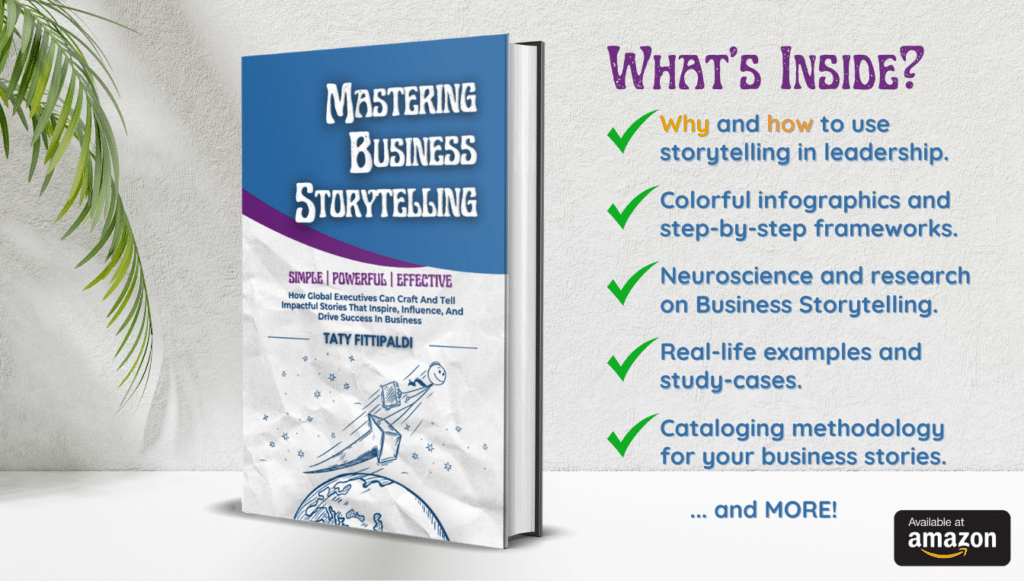
If you’re an executive looking to sharpen your communication and influence, my book Mastering Business Storytelling is the perfect guide. Learn how to craft compelling narratives that engage stakeholders, inspire teams, and drive strategic decisions.
The Ultimate Leadership Development Program
For ambitious professionals who want to fast-track their leadership skills, my online course, The Global Leadership Pillars, offers:
🚀 9 self-paced modules over 9 weeks
🎓 MBA-level content at a fraction of the cost
🌍 A structured approach to mastering the 4 Pillars of Global Leadership
If you’re aiming for senior leadership roles, this program will equip you with the tools, strategies, and confidence to lead effectively at a global level.
Not Ready For Such An Intensive Course? Start With Bite-Sized, Free Resources!
If you’re still exploring, here are two free resources to help you develop your leadership and storytelling skills at no cost:
➡️🎙️ The Leadership Nest Podcast – A podcast that nests stories, science, and knowledge to help you soar in leadership. Listen to real-world leadership insights, interviews, and study cases.
🎧 Tune in here.
➡️📩 The Business Storytelling Mini-Course – A 6-day email series that teaches you the fundamentals of storytelling for business success. Learn how to craft compelling messages that influence and inspire.
📝 Sign up for free!
No matter where you are in your leadership journey, there’s a next step for you. Whether it’s working with a coach, refining your storytelling, or diving deep into executive leadership training, investing in your growth today will set you up for greater impact, influence, and fulfillment in the future.
Let’s take that next step together.