Eighty-six percent of professionals blame workplace failures on poor collaboration or ineffective communication. And a staggering 97 percent say that when teams aren’t aligned, the outcome of any task or project suffers.
These numbers from a Fierce Inc. survey highlight a truth that many of us have felt but rarely named: alignment and success hinge on communication.
But what most successful global executives overlook is that strong communication doesn’t just happen between people — it starts within. Interpersonal and intrapersonal communication are two sides of the same coin. One shapes nonverbal communication, group discussions, conflict management, and how we interact with others; the other determines how we talk to ourselves, manage our emotions, and prepare for those interactions in the first place.
In this new communication styles guide, we’ll explore how mastering both forms of communication can boost your clarity, confidence, and effectiveness — whether you’re leading a team, presenting ideas, or navigating tough conversations.
KEY TAKEAWAYS
- Intrapersonal and interpersonal communication work together to shape confidence, clarity, and success — your inner narrative influences how you show up and connect with others.
- Intrapersonal intelligence is a core personal leadership skill, involving the ability to manage emotions, thoughts, behaviors, willpower, and well-being with awareness and intention.
- Your internal monologue — positive or negative — directly impacts your external communication, especially during stress, feedback, or high-stakes interactions.
- Emotional intelligence is rooted in self-awareness, and understanding your internal triggers, mental stories, and emotional patterns allows you to respond, not react.
- Nonverbal and visual communication are just as powerful as words — mastering body language, tone, facial expressions, and visual elements strengthens your interpersonal impact.
- Communication development is a process, not a personality trait — you can map your skill gaps, set measurable goals, practice consistently, and track growth over time.
- Leveraging support from coaches, technology, and peer groups accelerates progress, builds accountability, and helps you stay motivated as you grow into a more intentional communicator.
Understanding The Power Of Interpersonal And Intrapersonal Communication
Let me give you some mental imagery to help you dive into why understanding these two forms of communication isn’t just academic — it’s a game-changer for real-world confidence and success.
If you can’t see or click on the video below, use this link to watch the video.
https://youtu.be/yQkpkaEHKMM
➡️ Defining Both Forms Of Communication
Intrapersonal communication is that ongoing chat in your head. It’s how you reflect, process, plan, and self-motivate. Think of it as your internal brainstorming sesh — where you rehearse big meetings, talk yourself out of fear, or pump yourself up before stepping out.
On the flip side, interpersonal communication happens between people — face-to-face convos, phone calls, texts, Slack messages, you name it. It’s what powers your ability to connect, build relationships, resolve conflict, and inspire others.
And if you’ve ever wondered why a quick pep-talk in your head — or a shared laugh with a coworker — feels so powerful, it’s because both these communication types are quietly shaping your mindset, behavior, and opportunities.
➡️ How They Work Together
These two forms aren’t islands — they’re totally interwoven. Your intrapersonal self sets the stage for how you show up interpersonally.
If you’re constantly thinking “I’m not good enough,” that mental chatter seeps into your body language, tone, and what you actually say. Others pick up on that — maybe they hear hesitancy or see closed-off posture — even if you’re not aware.
Flip it the other way: If you’ve got a strong internal monologue — like “I’ve prepared, I’ve got this” — you’ll naturally project calm, clarity, and confidence. When that attitude comes through in conversations, it builds rapport, trust, and credibility.
There’s also a feedback loop: your interpersonal interactions feed back into your internal world. A successful pitch or meaningful chat can boost your internal belief. A miscommunication or awkward meeting? That can make you question yourself — but it also gives you clues about what needs tweaking in your delivery or mindset.
➡️ Impact On Personal Development And Its Hidden Link For Professional Confidence And Success
Think of intrapersonal and interpersonal communication as your personal success duo:
- Self-awareness & mindset
Through intrapersonal work, you get to know your strengths, triggers, and limiting beliefs. This awareness helps you control self-talk: swapping “I always mess up” for “I’m still learning, and that’s okay.” That mindset shift is huge — it directly influences how confidently you speak and act. - Skillful expression & connection
As you polish your internal script, your interpersonal delivery gets smoother. You become a better listener, ask sharper questions, and give more thoughtful responses. You show emotional intelligence — people feel seen, understood, and respected. That equals deeper relationships and higher influence. - Resilience & growth
With stronger internal dialogue, tough moments (like receiving feedback or handling conflict) don’t knock you down. You interpret them objectively: “What can I learn here?” That attitude helps keep interpersonal interactions productive and professional, even when things get tense. - Reinforced confidence loop
Every win — big or small — feeds your intrapersonal bank: “I did well there.” That builds a cycle: positive self-talk → smoother conversations → more wins → more confidence. Pretty soon, this becomes your default mode. Trust me: I played this loop with hundreds of clients, and they all started with changing their inner narrative. - Real-world outcomes
The result? Better presentations. Stronger leadership and executive presence. More effective collaboration. Easier networking. Higher chance of landing that promo or leading a high-impact project. And yes, more of that sweet professional success.

➡️Why It Matters
Because here’s the thing: the real power comes from tapping into both. Think about it: if you only focus on outward communication — body language, tone, vocabulary — you’re still reactive to whatever your head’s saying. And if you only work on your inner game but don’t take action out in the world, what good is that confidence if it’s bottled up?
This dynamic duo—aligned internal narrative and strong interpersonal skills — creates a bridge to unshakeable confidence and consistent success.
The Science Behind Internal Dialogue And Self-Talk
We’ve all got that inner voice — sometimes it cheers us on, sometimes it’s… not so nice. But here’s the kicker: that internal monologue isn’t just background noise. It plays a major role in how we perceive the world, make decisions, and handle life’s ups and downs.
This inner chatter is part of what psychology refers to as intrapersonal communication skills — the way we communicate with ourselves. And science has a lot to say about why that matters.
💡Your Inner Voice: A Window Into Mental Processes
Your brain is constantly working through thoughts, emotions, and interpretations. Internal vocalization — a fancy term for the mental narration happening in your head — helps regulate attention, process experiences, and even problem-solve.
In fact, research published in the Journal of Personality has shown that the tone and content of our internal dialogue — whether it leans toward positive or negative self-talk — can significantly influence self-esteem, stress levels, and behavior patterns.
So, when you tell yourself, “I’m not good with people,” over and over, your brain doesn’t just shrug it off. It starts to believe it. That’s how mental habits form — and how intrapersonal skills can either lift us up or hold us back.
💡Why Negative Self-Talk Is So Sneaky
If you’re a shy person, or someone who’s been through difficult life circumstances, you might notice that your self-talk tends to skew negative. That’s not a flaw — it’s actually a protective mechanism. Psychologists believe that negative self-talk often stems from a desire to avoid risk or failure.
But here’s the thing: over time, these thoughts become scripts. And scripts shape behavior.
So, let’s say you’re in a team meeting and you’ve got a great idea. But your internal monologue whispers, “You’ll sound dumb. Just stay quiet.” That thought hijacks the moment — and you miss the chance to shine. Multiply that by dozens of situations, and you start seeing how internal dialogue shapes not just your personal life, but your professional path, too.
💡Training Your Inner Voice = Training For Success
The good news? Intrapersonal communication skills are learnable. You can actually train your brain to build more constructive self-talk.
Studies in cognitive-behavioral psychology show that naming negative thoughts, reframing them with more objective language, and regularly practicing self-reflection are proven ways to rewire mental patterns. Over time, this can lead to greater emotional regulation, improved decision-making, and stronger confidence.
Let me share a little secret about myself. For nearly two decades, I worked in financial management — spreadsheets, forecasts, strategic reports. So, naturally, the internal story I carried around was: “I’m not one bit creative. If there’s any task involving creativity, I’ll definitely mess it up.” I can’t even count how many times I repeated that line in my head. It was like a mental tattoo.
But then… I became an entrepreneur. And guess what entrepreneurship demands? Creativity. All the time. If I didn’t flip that internal narrative, my business wouldn’t just struggle — it would flatline.
So, I started experimenting. Baby steps. And oh boy, my inner critic did not hold back: “This is so crappy. What are you even doing?” But I kept going. I’d tell myself, “Okay, it’s not perfect — but at least I’m trying. I’m learning.”
Then something interesting happened. Every now and then, I’d create something that actually felt… good. A friend would compliment it. A stranger on social media would DM me to say they loved the creative angle or design. That external feedback started to chip away at the old belief. It planted a seed of possibility.
And slowly, I built a new loop — a positive feedback loop. I wasn’t just “not creative.” I was someone learning creativity. Practicing it. Growing into it. And that shift changed everything. Do you know why it worked? Because it’s the basics of a success mindset.
Bottom line: experiment. Reframe the narrative in your head. Keep going even when the self-doubt shouts louder than reason. Because if you persist and resist, you’ll build something stronger than talent: resilience.
This is the heart of personal growth: learning how to guide your own thoughts instead of being ruled by them.
💡Real-Life Application: Small Shifts, Big Payoffs
Think about it like this — every time you override a negative thought (“I’ll mess this up”) with a grounded reframe (“I’ve prepared well, let’s see how it goes”), you’re strengthening your internal skillset. That one moment might seem small, but the cumulative effect on your personal life and leadership capacity is enormous.
And here’s a bonus: as your intrapersonal skills evolve, you’ll naturally show up more clearly in your external world. People notice when someone carries themselves with quiet clarity and calm confidence. It’s not fake — it’s just the result of healthier mental processes running the show behind the scenes.
That’s the science-backed truth: Your internal monologue isn’t just background noise — it’s the foundation of who you become.
The Role Of Emotional Intelligence In Communication
Let’s be honest: most communication challenges aren’t about the actual exchange of messages — they’re about how we feel before, during, and after those conversations. That’s where emotional intelligence steps in. It’s the skill that helps you pause before reacting, choose your words with care, and avoid spiraling into defensive or unproductive territory.
At the center of emotional intelligence is your intrapersonal skillset — your ability to recognize, manage, and redirect your internal world.
✅It Starts With The Inner Talk
Before we speak to others, we’re already talking to ourselves. “That’s repetitive.” or “That makes no sense!” or “That little scumbag!” That inner dialogue — also known as your internal narrative — shapes how you interpret situations, judge intent, and choose your next move.
For example, if someone challenges your idea in a meeting and your internal narrative is, “They’re out to undermine me,” your tone, body language, and response will reflect that. But if your internal story is, “They probably have a different perspective — let’s explore it,” your response becomes more grounded, curious, and open.
This is why keeping a positive inner narrative isn’t just a mindset, “guru-ish” tip — it’s a communication strategy. When you lead with clarity instead of assumption, you respond rather than react. And that small shift? It changes the whole dynamic of the interaction.
✅Clarity Before Conversation
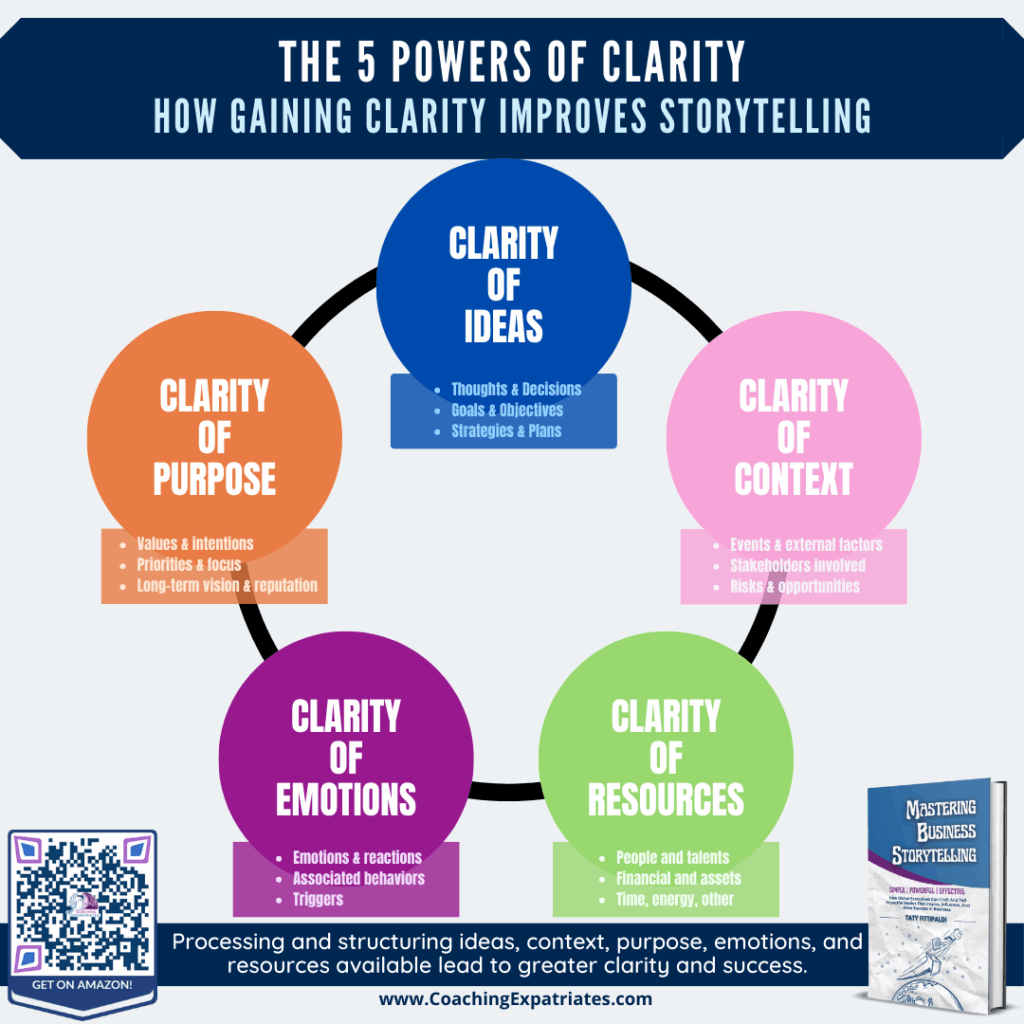
One of the most powerful things you can do before engaging in difficult conversations is to ask yourself: “What story am I telling myself about what’s happening?” This self-check gives you a chance to pause, reframe, and gain clarity.
Clarity isn’t just about what you want to say — it’s about what outcome you want to create. That kind of reflective thinking helps you move from knee-jerk reactions to intentional exchange of messages, especially in high-stakes conversations. If you want to gain the 5 powers of clarity for good communication, check out our award-winning article on this topic.
✅Emotional Triggers: Know Them Or You’ll be Known For Them
I used to work with a reactive CEO who, every time he was challenged — no matter how big or small the challenge was — he completely lost it. Here are a few “affectionate” ways by which he was known in our company: mad-dog, child with power, Stalin.
Here’s the truth: we all have emotional triggers. Sometimes it’s a certain tone, a specific word, or a behavior that sets us off. If you’re unaware of these, they can hijack your communication. So, manage your triggers before they manage your reputation.
Research in Communication Research Reports and theories like the theory of rejection sensitivity show how quickly people can misinterpret neutral messages as hostile — especially if they have unresolved emotional wounds or high stress levels. And when that happens, even a small comment can be taken as an attack, sparking a defensive or combative reply.
This is often the origin of argumentative individuals or aggressive people in conversation — not because they’re trying to cause conflict, but because they haven’t unpacked the stories and sensitivities behind their reactions.
Building intrapersonal skills means recognizing those triggers, understanding where they come from, and either avoiding them when necessary or learning to manage them with emotional maturity. This self-awareness changes how you show up — and helps you navigate conversations with empathy instead of ego.
✅Other Aspects Of Emotional Intelligence That Boost Communication
While self-awareness is the anchor, there are other key elements of emotional intelligence that elevate your interpersonal communication:
- Empathy: Understanding not just what someone says, but what they feel underneath their words.
- Self-regulation: Staying calm and composed under pressure instead of letting emotions spill all over the interaction.
- Motivation: Maintaining focus on the desired outcome rather than being derailed by ego or hurt feelings.
- Social awareness: Reading the room, sensing dynamics, and adjusting your delivery accordingly.
When these elements come together, you become the kind of communicator who inspires trust — not tension.
And that’s the goal, right? To create communicative interactions where people feel safe, understood, and open to collaborate — even when there’s disagreement. Emotional intelligence isn’t about being soft — it’s about being strong in a way that serves the conversation, not your ego. Ouch, sounds harsh, but it’s honest.
Because the people who communicate best? They’re not the loudest or the most dominant. They’re the ones who understand their own minds first — and speak with intention, not impulse.
Developing Your Intrapersonal Intelligence
Before we dive into how to develop your emotional intelligence for better communication, it’s helpful to understand where your current emotional baseline comes from. In other words: what shaped your emotional reflexes in the first place? I will not touch on personality disorders, as this is not the purpose of the article. Instead, I want to provide some context for what you are reading.
Let’s talk about something called attachment theory. It might sound academic, but it’s actually super relevant to how we show up in adult conversations, relationships, and even workplace interactions.
Attachment theory was introduced by psychologist John Bowlby and later expanded by Mary Ainsworth. It’s based on the idea that as babies, we’re wired to form emotional bonds — especially with our main caregivers. And the way those early bonds were formed (or not formed) plays a big role in how we learn to trust, regulate our emotions, and connect with others later in life.
Here’s the big takeaway: if your early caregivers were emotionally available, responsive, and consistent, you likely developed a secure attachment style. That means as an adult, you’re more likely to feel confident in relationships, handle feedback without melting down, and navigate conflict without shutting down or blowing up.
But if those early bonds were unpredictable, neglectful, or overly intense, you may have developed an insecure attachment style. That can lead to patterns like overthinking what others say, fearing abandonment or rejection, needing constant validation, or even pushing people away to protect yourself. These patterns show up in our interpersonal communication, whether we realize it or not.
So, before we talk about growing your emotional intelligence, it’s worth reflecting on your emotional development baseline. It’s not about blame — it’s about awareness. When you know what shaped you and your inner story, you can start reshaping the parts that no longer serve you.
If you’ve ever caught yourself mid-thought and wondered, “Why am I reacting this way?” — congrats, that’s your intrapersonal intelligence in action. It’s your ability to tune into your own thoughts, emotions, values, and behavioral patterns. And today, more than ever, developing this kind of inner clarity is no longer optional — it’s a leadership essential. Let’s talk more about this:
🌟What Is Intrapersonal Intelligence?
Intrapersonal intelligence is your ability to understand, manage, and lead yourself from the inside out. It’s about being aware of your thoughts, regulating your emotions, making intentional choices, and keeping your inner world aligned with your outer actions.
At its core, it includes:
- How you manage your emotions (especially under stress or pressure)
- How you navigate your thoughts and inner narrative (the stories you tell yourself about yourself and others)
- How you regulate your behavior (even when it would feel easier to react impulsively)
- How you exercise willpower (like staying focused, following through, or delaying gratification)
- And how you prioritize your own well-being (mentally, emotionally, and physically)
In short, it’s the leadership skill that starts with you.
And here’s where it gets interesting: when this kind of self-awareness and regulation becomes more intentional — when you stop running on autopilot — you start developing what psychologists call affective orientation.
This concept refers to your ability to identify, label, and manage your emotional responses in real-time. People with high affective orientation are better equipped to deal with conflict, process difficult feedback, and adjust their tone or behavior based on the emotional context of a situation.
So yes, developing intrapersonal intelligence isn’t just about feeling better — it’s about functioning better, especially when it comes to how you communicate and interact with others.
In research published in Human Communication Research, people with higher affective orientation were more attuned to both their positive and negative self-talk and could adapt more thoughtfully to conflict, stress, and incompatible goals. They didn’t just act — they paused, reflected, and chose how to respond. Further research also showed that what we believe about ourselves is created and presented to others through a personal narrative (i.e., the narrative that is created through our self-talk), and such self-presentations function as impression management.
That’s the heart of intrapersonal skills: emotional fluency, cognitive awareness, and inner alignment impacting how we influence the world around us.
🌟The Connection With Personal Leadership
Personal Leadership is the ability to take care of your well-being, manage stress, sharpen your mental game, and lead a balanced life so that you can fully access your personal power. It’s not just a motivational catchphrase — it’s what keeps you grounded when things around you spin out of control.
And let’s be real: when you’re in the middle of a stressful or ambiguous situation, personal leadership is often the first thing to go down the drain.
Why? Because when you’re emotionally hijacked, fatigued, or overwhelmed, your intrapersonal skills get blurry. Focus drops. Priorities get messy. You zero in on whatever’s creating the stress — because your brain wants to fix it — and you forget all about leading yourself through it.
That’s why strengthening your intrapersonal communication isn’t just helpful — it’s crucial. It gives you tools to pause, step back, and guide your own mental processes with clarity. So instead of spiraling into stress, you can realign with what matters.
To protect your personal leadership during pressure, you need three things:
- A clear understanding of the five elements of Personal Leadership.
- Awareness of where your weakest link lies.
- A set of contingency plans (aka plan Bs) to fall back on when things go sideways.
Because here’s the truth: leadership isn’t measured when everything’s smooth. It shows up in how you self-regulate when it’s not.
And this applies to everything — from how you communicate under stress to how your nonverbal behaviors show up during conflict. The better your intrapersonal intelligence, the more likely you’ll lead yourself — and others — with steadiness and purpose.
🌟Especially Powerful For Sensitive Individuals
If you’re one of those sensitive individuals who feel everything deeply (guilty as charged), this inner work is even more important. You likely pick up on micro-signals, read between the lines, and experience intense internal processing. That can either be your superpower — or your downfall — depending on how well you’ve developed your intrapersonal communication abilities.
The goal isn’t to mute your inner world. It’s to understand it. To lead it. That’s how you create the kind of confidence that’s quiet, grounded, and consistent — even in high-pressure environments.
🌟Start Here
Want to grow your intrapersonal intelligence? Begin with:
- Journaling your daily emotional responses
- Naming and reframing your positive and negative self-talk
- Checking your nonverbal behaviors during stress
- Identifying emotional triggers and tracing new responses and patterns
- Aligning decisions with your core values — not just external expectations
Because when you lead yourself well, everything else becomes easier to manage. And in the long run, that’s what turns a manager into a memorable, trusted leader.
Essential Components Of Effective Interpersonal Communication
Interpersonal communication is one of those skills that quietly shapes the course of your career — and life. Whether you’re pitching an idea, leading a team, or chatting with a colleague in the hallway, the quality of your communicative interactions can open doors — or quietly close them. But what does effective communication really look like in action?
Let’s break down the key aspects of communication that fuel stronger relationships, better collaboration, and more positive interactions — all rooted in practical, real-world application.
➡️Verbal Communication Techniques
Words matter. How we choose them — and how we say them — can shift the tone of any human interaction. In the world of interpersonal communication, clear verbal messaging builds understanding and trust, while confusing or careless language can derail conversations fast.
One of the most overlooked types of communication is not what we say, but how much we listen. That’s where we start.
The Importance of Active Listening Skills
Active listening is a cornerstone of strong interpersonal skills — and it’s so much more than nodding and waiting your turn to speak.
Research from the Journal of Communication highlights that when people feel truly heard, they’re more likely to stay open, build trust, and engage in more constructive exchange of ideas. On the flip side, if you’re mentally rehearsing your reply while the other person talks, chances are high you’ll miss their key message — and signal disinterest without even realizing it.
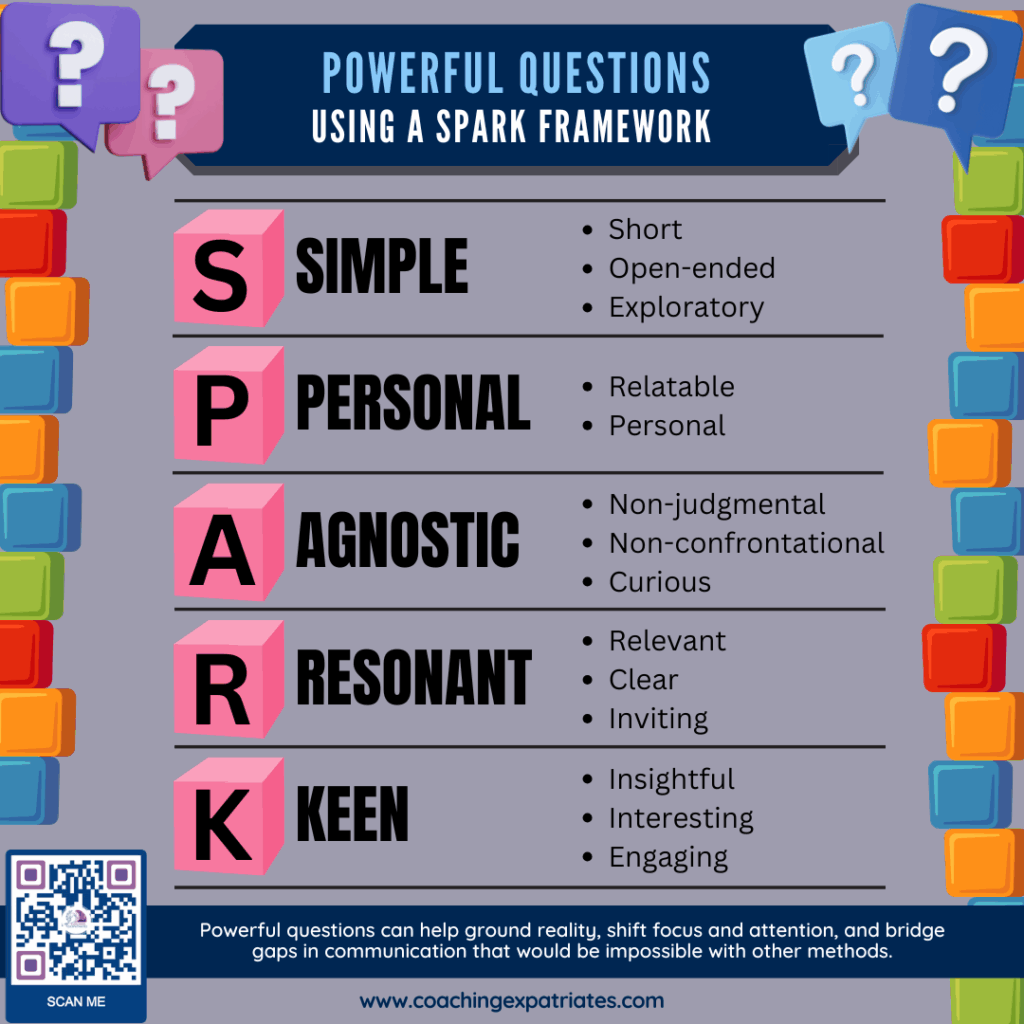
What does active listening look like in practice?
- Full presence: Put away distractions. Maintain eye contact.
- Reflective feedback: Paraphrase what you heard. “So what I’m hearing is…”
- Emotion tracking: Listen not just for facts, but for feelings.
- Curiosity-driven questions: Ask open-ended, powerful questions to go deeper.
Mastering this one skill can drastically improve your interpersonal communication skills, especially in high-stakes social interactions like conflict resolution, team alignment, or leadership meetings.
The Power of Storytelling for Impactful Interpersonal Communication
Want to be more memorable in your conversations? Learn to tell a good story.
Storytelling is one of the most effective verbal tools in your communication toolbox. It creates an emotional connection, simplifies complex topics, and makes your message stick.
Whether you’re presenting to a room or mentoring a direct report, stories give people a reason to care. They help listeners feel your message instead of just hearing it. This is particularly powerful in public speaking, leadership, or coaching contexts — where your influence hinges on how you move people.
A well-told story typically has:
- A clear beginning, middle, and end
- A relatable challenge or turning point
- A resolution or insight tied back to your message
In short: like the saying goes, “facts tell, but stories sell”—and they sell ideas, sell alignment, sell change. In today’s noisy world, assertive individuals with strong storytelling ability cut through the clutter and leave a mark.
➡️Non-verbal Communication Mastery
Words are only one piece of the puzzle. In fact, a large portion of the process of communication happens non-verbally — through body language, tone of voice, and facial expressions. These communicative behaviors send powerful signals about how we feel, what we value, and whether we’re being authentic.
Let’s break it down:
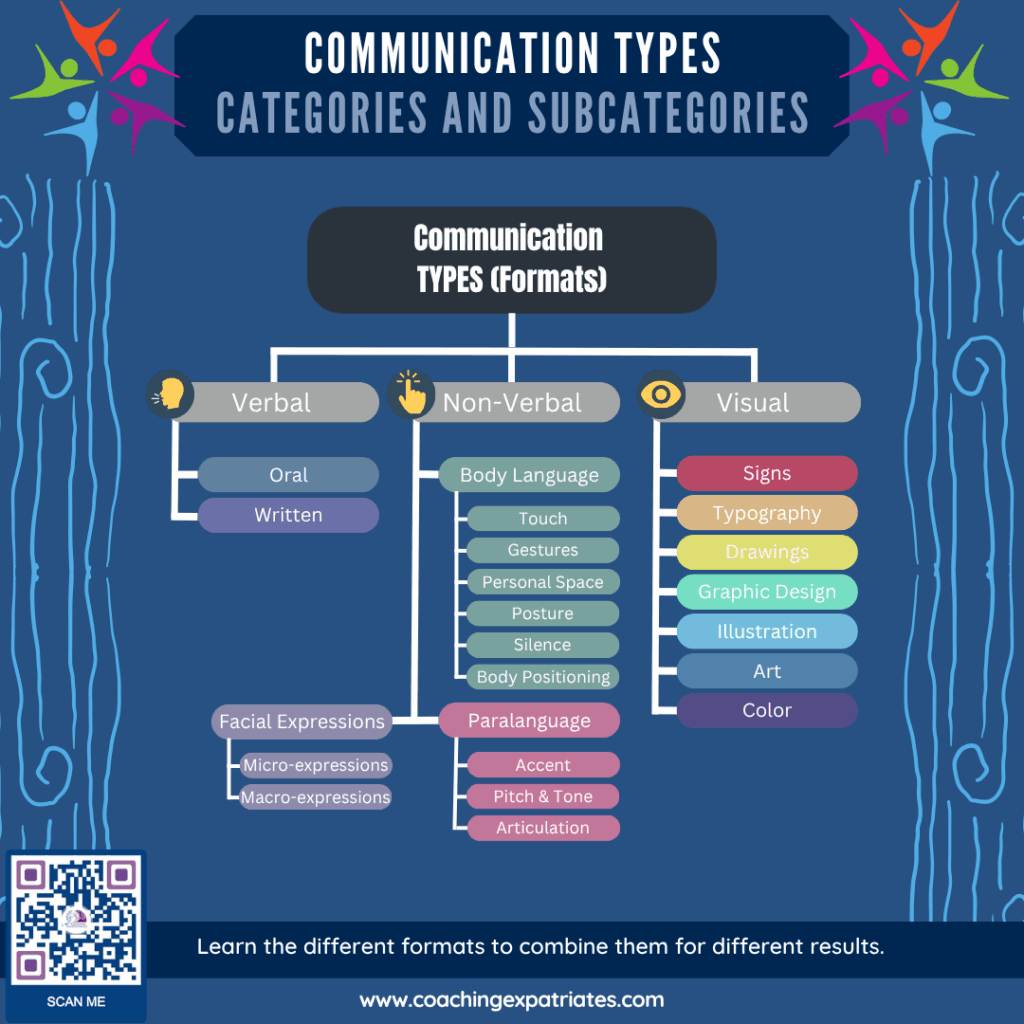
- Body language: Posture, touch, gestures, body positioning, proximity, and even silence, all influence how your message lands. Open gestures = approachability. Crossed arms = defensiveness. Leaning in = interest.
- Paralanguage: This refers to the way we speak, not the words themselves. Your pitch, tone, accent, articulation, and pacing all communicate emotions, urgency, and intent. A calm, steady tone can reassure. A rushed, sharp delivery can create anxiety. Did you know that studies show that quieter, slower tones create greater credibility when delivering key messages? I was surprised, too, but then I started noticing that every skilled CEO used that technique when they wanted to emphasize something important during their speech.
- Facial expressions: Both macro (visible, intentional expressions) and micro (brief, subconscious ones) help others interpret your emotional state. Mastering emotional awareness helps you control these expressions and read them in others.
Why does this matter?
Because people believe what they see and hear in harmony. If you say “I’m excited to be here,” but your tone is flat and your face is blank, people will doubt your sincerity. That’s why high-level interpersonal communication isn’t just about clarity — it’s about congruence.
To build mastery in this area, start by:
- Recording yourself during conversations or practice presentations
- Getting feedback on your delivery from a communications expert or an executive coach
- Practicing in front of a mirror or camera
- Becoming more emotionally aware (so you can better control and read cues)
Interpersonal goals — like motivating a team or negotiating with a client — are easier to reach when your non-verbal cues align with your message.
➡️Visual Communication
Visuals are a powerful, often underestimated element of effective communication — especially in leadership, team settings, or public speaking scenarios where clarity and engagement are essential.
Visual communication includes elements like:
- Signs and symbols (directional, instructional)
- Typography (font choice, size, readability)
- Color usage (color evokes emotion and signals urgency or calm)
- Graphs, charts, illustrations, and drawings (used to simplify or emphasize key points)
In both physical and digital environments, visual tools can reinforce — or undermine — your spoken message. Think about a cluttered PowerPoint deck with too many fonts and unclear graphs. Now contrast that with a clean slide featuring one bold insight and a well-designed chart tied with a purposeful story. Which message would you remember?
In everyday social skills, too, visuals show up: how you present yourself, your workspace, your slides, even your digital communications (emails, social posts). These are all part of the interpersonal communication package.
Here’s what to watch out for:
- Inconsistency between verbal and visual (e.g., saying “simplicity” while using complex visuals)
- Poor design choices that distract or confuse your audience
- Lack of accessibility, especially for digital audiences
Using visuals with intention creates smoother social interaction, strengthens communicative behaviors, and elevates your interpersonal communication skills.
➡️Bringing It All Together
Mastering interpersonal skills means understanding that communication is more than just exchanging words. It’s a multi-layered, ongoing exchange of ideas that we engage in every day, whether we realize it or not.
To truly level up your interpersonal communication, pay attention to:
- What you say (verbal)
- How you listen (active listening)
- How you show up (non-verbal cues)
- How you illustrate your ideas (visuals)
- How you connect emotionally (storytelling)
Strong communicators don’t rely on just one mode — they tap into the full spectrum of types of communication to create real impact. And the payoff? Smoother collaborations, faster decision-making, deeper trust, and stronger leadership presence.
Whether you’re an introvert or extrovert, a rising leader or seasoned pro, investing in your interpersonal communication skills pays off in every human interaction — from one-on-one chats to company-wide presentations.
Creating Your Personal Communication Development Plan
Let’s be honest — communication is one of those skills that everyone says is important, but very few people take the time to intentionally develop. That’s where you get to stand out.
Creating a Personal Communication Development Plan means getting clear about where you are, where you want to go, and how you’ll get there. And no — you don’t need a fancy spreadsheet, deep pockets, or a personal assistant to make it happen. What you do need is self-awareness, structure, and consistency.
Here’s how to build a plan that actually works.
STEP 1: Mapping Skill Gaps
Before you can improve your communication, you need to know what’s working — and what’s not.
Start by asking yourself:
- Do I struggle more with interpersonal or intrapersonal communication?
- Do I tend to avoid conflict, overexplain, interrupt, or shut down?
- Am I clear and confident when I speak — or do I ramble or hesitate?
- What feedback have I received from managers, coworkers, or even friends?
- How do I respond emotionally during difficult conversations?
To get a clearer picture, try:
- Doing a 360-feedback with trusted colleagues or mentors
- Reviewing recorded Zoom calls or presentations (pay attention to tone, pace, and clarity)
- Taking a communication self-assessment
- Reflecting on recent misunderstandings: What went wrong? What could I have done differently?
Once you’ve gathered that input, identify your top 3–5 communication skill gaps. Be honest, but kind. This is not about judgment — it’s about growth.
Common skill gaps include:
- Struggling to speak up in meetings
- Poor listening or interrupting habits
- Negative or anxious self-talk before presentations
- Difficulty expressing disagreement respectfully
- Lack of confidence in public speaking
- Not using business storytelling to connect and move ideas
STEP 2: Setting Your Goals & Timelines
Now that you’ve mapped your gaps, it’s time to turn them into goals.
Instead of saying “I want to be a better communicator,” aim for something specific and measurable, like:
- “I want to improve my ability to speak up in meetings by contributing at least once per team call.”
- “I want to reduce my negative self-talk before presenting by practicing mental reframes for 5 minutes each morning.”
- “I want to increase my active listening by using reflective listening techniques in every 1:1 for the next 3 weeks.”
Each goal should have a timeline. Think in 30-, 60-, or 90-day windows so the target feels achievable.
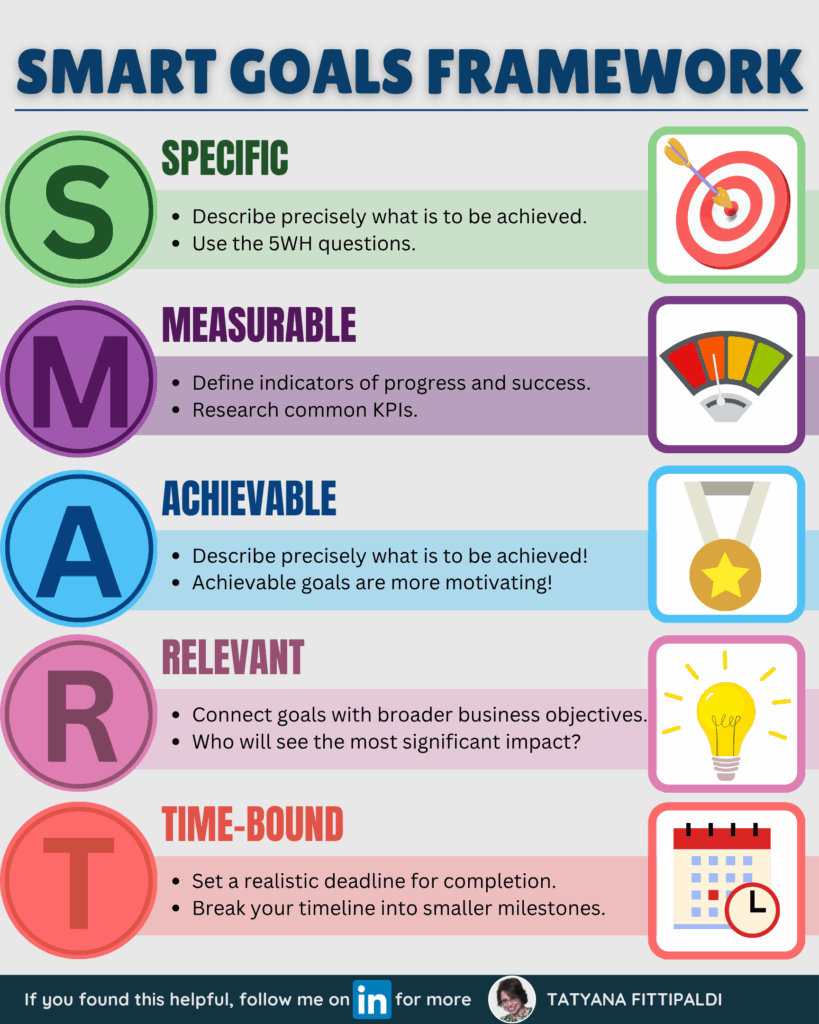
Use the SMART framework (Specific, Measurable, Achievable, Relevant, Time-bound) to keep yourself focused. And make sure each goal links back to a deeper motivation: Why do I want to communicate better? What would change in my career, relationships, or leadership if I did?
STEP 3: Implementing Practices
Goals are only as good as your follow-through. That’s why it’s crucial to turn those goals into daily or weekly habits.
Here are some implementation tips to stay consistent and motivated:
- Micro-practice over mega-plans: You don’t need an hour a day. Even 5–10 minutes of daily communication reflection or rehearsal can create momentum.
- Stack habits: Tie new practices to existing routines. For example, after brushing your teeth in the morning, you might do a 2-minute visualization of an upcoming conversation you want to nail.
- Gamify your progress: Use a calendar or app to track daily wins. Seeing your streak builds motivation.
- Practice out loud: Rehearse key messages in front of a mirror or record yourself. The goal isn’t perfection — it’s awareness.
- Anchor to intention: Before entering a meeting, pause and ask: “What impact do I want to have in this conversation?”
And remember: progress over performance. Some days will feel off. Keep showing up anyway.
STEP 4: Measuring Your Communication Progress
If you want to grow, you have to track how far you’ve come. But communication progress isn’t always obvious — so you’ll need a mix of internal and external markers.
Here are some ways to measure:
- Self-reflection journal: Write down what went well and what felt hard after key conversations. This builds awareness and shows patterns over time.
- Feedback check-ins: Ask a manager, coach, or peer to observe a specific behavior and offer feedback every few weeks.
- Before-and-after recordings: Record yourself doing the same introduction or presentation before and after a practice period to compare tone, structure, and presence.
- Behavioral KPIs: Track how often you hit specific behavioral targets — e.g., speaking up in meetings, using fewer filler words, asking open-ended questions, etc.
- Energy check: Pay attention to how you feel after interactions. Are you more energized, clear, and connected? That’s a good sign your communication is improving.
And don’t forget to celebrate small wins. They matter more than you think.
STEP 5: Leveraging Support
You don’t have to do this alone — and in fact, it’s a lot easier when you don’t.
Here are some powerful support options:
- Executive Coach: A coach can help you build clarity, keep your mindset positive, and hold you accountable to consistent practice. They’ll give you feedback without judgment — and that’s priceless when you’re trying to grow. Professional Executive Coaches are also trained to help you deal with deeper patterns like fear of speaking up, emotional triggers, or negative self-talk.
- Technology Tools: Use AI apps or browser extensions to help with tone analysis, filler word detection, or speech pacing. Apps like Orai, Yoodli, or voice-to-text journals, such as AudioDiary, can help you practice speaking out loud and track your growth over time.
- Group Support: Joining a communication skills group or peer mastermind (even informally) gives you a safe space to practice, share stories, and learn from others. Whether it’s a Toastmasters group, a peer-led communication challenge at work, or an online Slack group, the social motivation goes a long way.
- Accountability Partner: Choose one trusted colleague, a conversational partner, or a friend who’s also working on communication. Check in weekly. Share wins and stumbles. It doesn’t need to be formal — just consistent.
Improving your communication is one of the most high-impact investments you can make — for your leadership, your confidence, and your relationships.
But remember: you don’t have to do it all at once. Start with one area, commit to the process, and track your growth.
Because clarity, influence, and connection? They’re not reserved for “naturally great communicators.” They’re built—one intentional conversation (and story) at a time.
Key Books To Cover For Enhanced Communication
Here are three highly relevant books that align with the themes we’ve explored — interpersonal and intrapersonal communication, emotional intelligence, and personal leadership — with a focus on helping global executives improve their communication effectiveness.
Disclaimer: This section contains product affiliate links. I may receive a tiny commission if you purchase after clicking on one of these links at no additional cost to you. They sponsor my time in researching, vetting and curating, and sharing valuable thought-leadership content. This allows me to provide it without any added expense on your part. Thanks for your support! ❤️️
1. Crucial Conversations: Tools For Talking When Stakes Are High
By Kerry Patterson, Joseph Grenny, Ron McMillan, and Al Switzler
Why It’s Relevant:
This book is a go-to resource for handling high-stakes conversations with clarity and calm — especially relevant for global leaders managing teams across time zones, cultures, and performance pressures. It offers practical frameworks for managing emotions, staying in dialogue under stress, and speaking persuasively without being abrasive — directly supporting both interpersonal communication and emotional regulation.
2. Emotional Intelligence 2.0
By Travis Bradberry and Jean Greaves
Why It’s Relevant:
For global executives looking to develop intrapersonal skills like self-awareness, self-regulation, and resilience — this book is a straightforward, accessible read. It provides strategies to identify emotional triggers, improve social awareness, and turn self-reflection into action. It complements the article’s focus on understanding internal narratives and regulating responses during interpersonal exchanges.
3. The Art Of Communicating
By Thich Nhat Hanh
Why It’s Relevant:
Do you like “zen” ideas? Then you’ll love this. Written by a Zen master, this book goes deep into the inner world of communication — making it a great companion for understanding how intrapersonal communication shapes our outward behavior. It encourages mindful presence, intentional speech, and empathetic listening — skills that are essential for global leaders seeking calm clarity in fast-paced, multicultural environments.
4. Mastering Business Storytelling
By Taty Fittipaldi
Why it’s Relevant:
Focused on business influence, this book shows how leaders can craft purposeful narratives, select stories that resonate, and use storytelling to drive action in global and multicultural teams. Introverts will benefit from frameworks and structured approaches, while extroverts will gain tools to ground their energetic storytelling with clear strategy and audience alignment.
Final Thoughts On Interpersonal And Intrapersonal Communication
Strong communication doesn’t begin in the boardroom — it begins in your own mind. The way you talk to yourself sets the tone for how you interact with others. That’s why developing both interpersonal and intrapersonal communication is so essential for anyone in a leadership role. One shapes your connection with others, the other defines your clarity, confidence, and ability to stay grounded under pressure.
When you align what’s happening inside with how you show up outside, everything changes. You listen better. You speak with purpose. You lead with trust. And in today’s multicultural world, that kind of intentional communication isn’t just a soft skill — it’s a strategic advantage.
If this article resonated with you, and you’re ready to deepen your leadership through storytelling, communication, and global intelligence — here’s where you can go next:
- 📘 Read my book Mastering Business Storytelling — a field guide for global leaders who want to use stories to influence, connect, and drive success across cultures and industries.
- 📥 Join the 6-Day Business Storytelling Mini-Course — get a powerful storytelling lesson delivered to your inbox each day, with a downloadable PDF including a summary and workbook to help you apply what you learn immediately.
- 🎓 Take the Global Leadership Pillars® — our 9-week, self-paced online course designed for emerging leaders who are ready to accelerate their path from first-time manager to global executive.
- 🎙️ Listen to The Leadership Nest Podcast — real stories, real leadership lessons, and deep conversations about what it means to lead across cultures, teams, and continents.
- ✉️ Subscribe to our global leadership newsletter — a weekly dose of bite-sized insights on global leadership, decision-making, cultural competence, and business storytelling—crafted for global executives who want to stay sharp, authentic, and effective.
Thanks for taking the time to read this long guide. If you ever need further communication support to develop advanced skills, craft exquisite and effective narratives, and practice your delivery in a way that feels authentic and inspiring, don’t hesitate to contact us to learn more about our Executive Coaching packages and workshop programs.